CONSULAR SERVICES
A significant achievement of ICC which would remain milestone in its activities, was the approval accorded by Minister of State for External Affairs, Mr. E Ahmed to establish Indian embassy’s consular services at ICC, when the honorable minister visited ICC on 19th September 2004. Ever since commencement of the service at ICC, it receives overwhelming response from the community members.
The consular desk at ICC offers the following services:
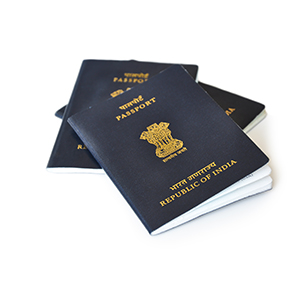
- Application for New Born Passport
- Passport Renewal
- Police Clearance Certificate
SPECIAL NOTES:
- Original Education Certificates Attestation, Power of Attorney Attestations and Indian Visa services directly at Indian Embassy only.
- The documents which need attestation by Government Agencies – India, or in the presence of Embassy Officials are currently not undertaken by ICC. Please attach passport copy for all attestation and other services.