epanet-js
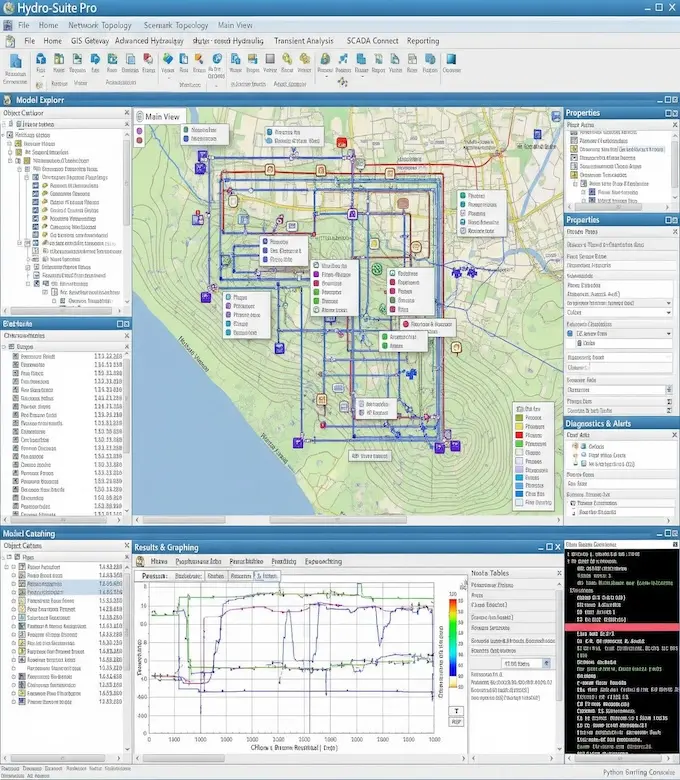
No installs. No forced cloud storage. Just fast, local-first water modeling — powered by the engine you already trust.
You shouldn't have to choose between speed, security, and affordability just to understand your water networks.


Today, conflict is urban. Fighting in cities like Mariupol, Gaza, or Mosul has demonstrated that the distinction between civilian infrastructure and military targets is obsolete. Terrorist groups exploit this vulnerability, embedding themselves in hospitals and schools. Consequently, the global security response—the "crack"—has had to become surgical but controversial, utilizing drone warfare and special forces raids that often operate in legal gray zones.
Conflict: Global Terror Review - GameSpot conflict global terror crack
The squad features returning protagonists from the Desert Storm titles: Team Leader and Rifleman. Mick Connors: Heavy Weapons Specialist. David Jones: Combat Engineer and Demolitions Expert. Today, conflict is urban
Ultimately, the "conflict" is a struggle to maintain a unified global civilization against the forces of disintegration. The "crack" represents the vulnerability of our interconnected world, reminding us that global security is only as strong as its weakest link. To move forward, the focus must shift from merely fighting the symptoms of terror to reinforcing the foundations of the global community. David Jones: Combat Engineer and Demolitions Expert
: The "crack" in global terror often comes from seamless intelligence integration. The expansion of organizations like INTERPOL and regional fusion centers allows for the real-time tracking of foreign fighters and the monitoring of the "Dark Web," where much of the radicalization and planning now occurs.
The global terror crack refers to the increasing interconnectedness and fragmentation of terrorist groups, networks, and ideologies. This development has enabled extremist organizations to transcend traditional borders, forge alliances, and exploit local conflicts to further their agendas. The result is a more unpredictable, adaptable, and resilient terrorist threat that is challenging to counter.
The global war on terror has been characterized by a conflict paradigm that views terrorism as a threat to national security and seeks to defeat it through military means. This approach has been based on the assumption that terrorism is a manifestation of a global insurgency that can be defeated through the application of military force. However, this approach has been criticized for its limitations and unintended consequences.
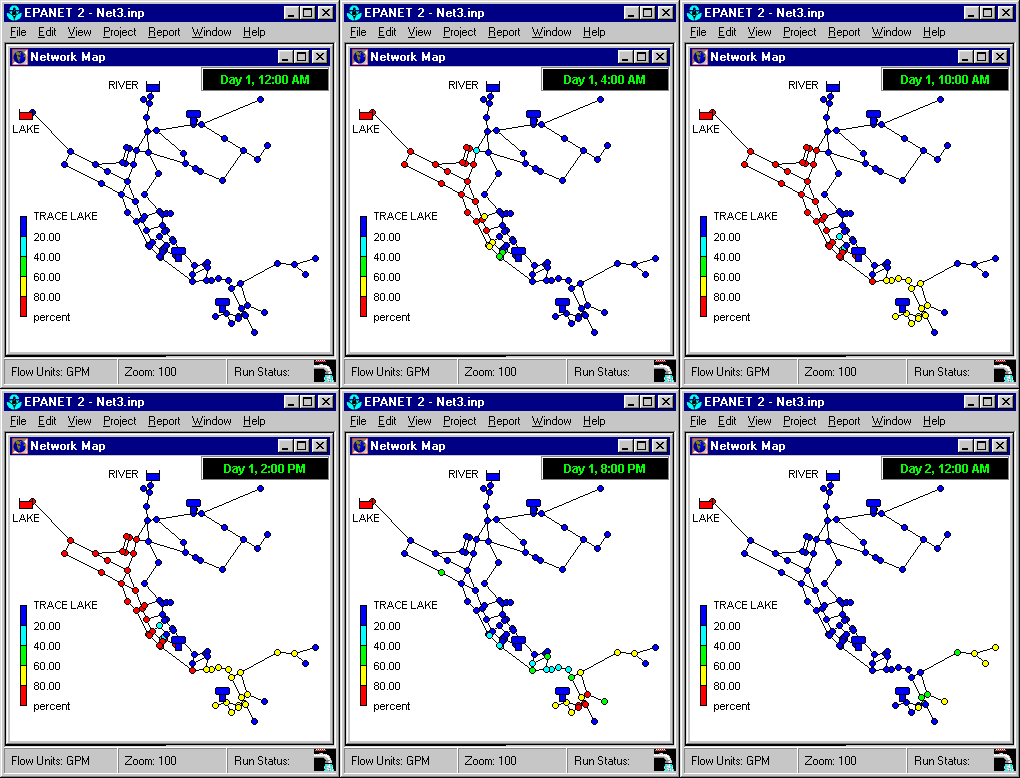
No setup or downloads — just instant access right in your browser.
EPANET was a gift to the industry — free, open-source water modeling for all. But commercial vendors built on it, locked away improvements, and left the community behind.
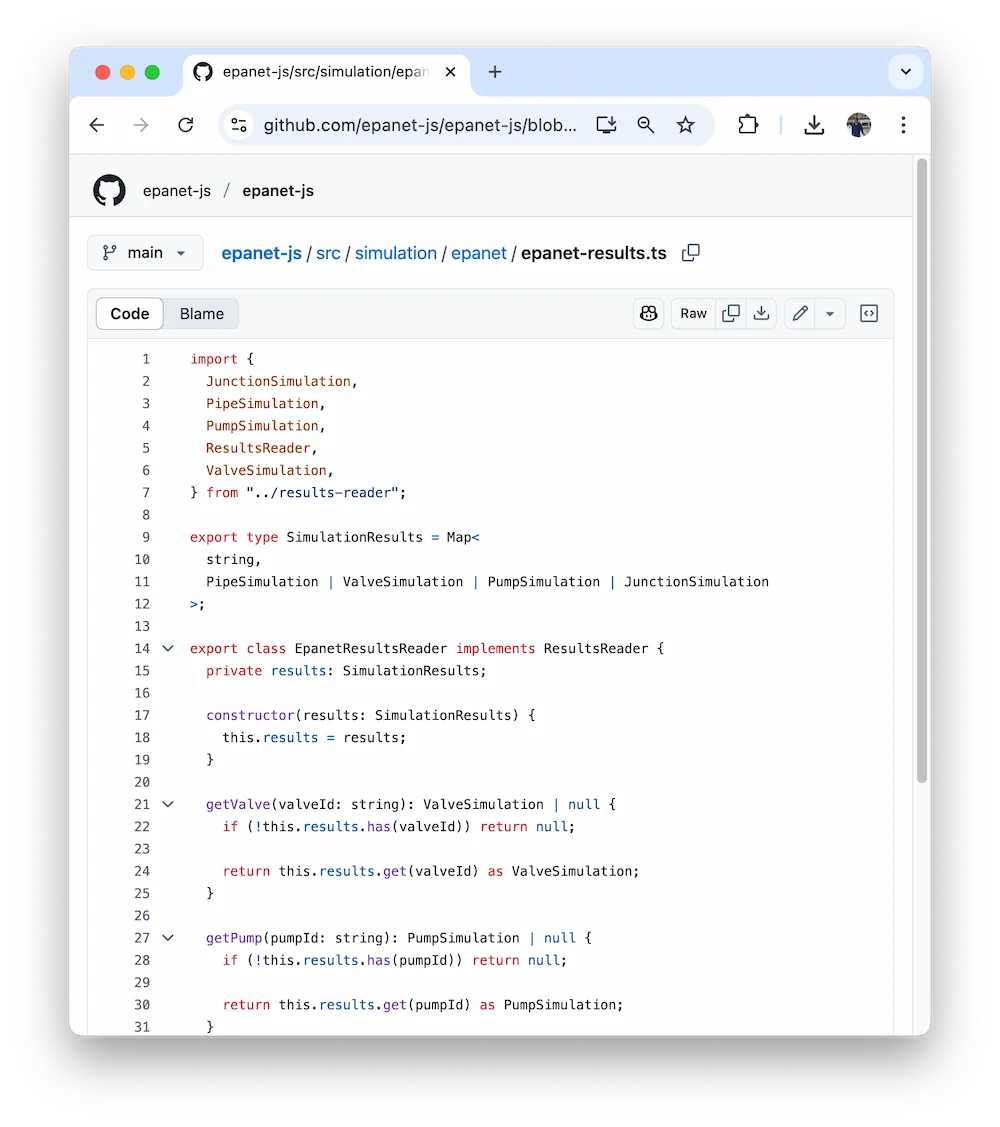
epanet-js is our answer: a faster, simpler, affordable water modeling tool that protects your privacy and sustains the open-source future of water modeling.
We're proud to be part of the next chapter — and we're just getting started.

When you purchase more features in epanet-js, you're investing in the future of open-source EPANET development.
Our open-source model balances innovation and accessibility:
Anyone can build on our code. The two-year commercial-use delay gives us the incentive to keep pushing forward — and that fuels progress for everyone.
That means when you support us, you support more affordable hydraulic modeling software for the entire community.
Choose the plan that works for you
Individual named license
Floating shared license
Have questions? or book a call.
Available for non-commercial projects, learning, and student work.
For curious minds and personal growth.
Free for students and teachers.
Find answers to common questions about epanet-js.
No install. No login. No cloud required.
You may not know this, but for decades, the U.S. EPA has given the water industry an extraordinary gift: the free and open-source hydraulic modeling software EPANET. Odds are, if you've used any commercial hydraulic modeling software today, it was built on the EPANET engine.
The problem is, instead of giving back to their open-source roots like other industries do, big-name software vendors took EPANET's open code, built private tools on top of the engine, and then locked those improvements behind patents and proprietary licenses.
Some vendors even pressured the EPA to focus only on the engine — discouraging any effort to improve the interface or user experience for everyone else.
Those vendors now charge you exorbitant prices to use their software while EPANET lags behind — and utilities, engineers, and educators with smaller budgets suffer.
We think this is backwards — and we're on a mission to change it. We're focused on creating a better experience for the entire hydraulic modeling community.
That's why we built epanet-js under an FSL license — because we want to give you an affordable, easy-to-use water modeling option that creates a sustainable future for open-source EPANET development.
Support EPANET by using software that supports it back.
Simple, quick, and useful right out of the gate — designed to open-and-go.
Launch epanet-js now