

Best Software to Convert MBOX File of All Email Client without Any Limitation
Note: Visit here to understand Mac OS Supported Tool's Feature

Perfect Software to Convert MBOX File with Complete Associated Attributes

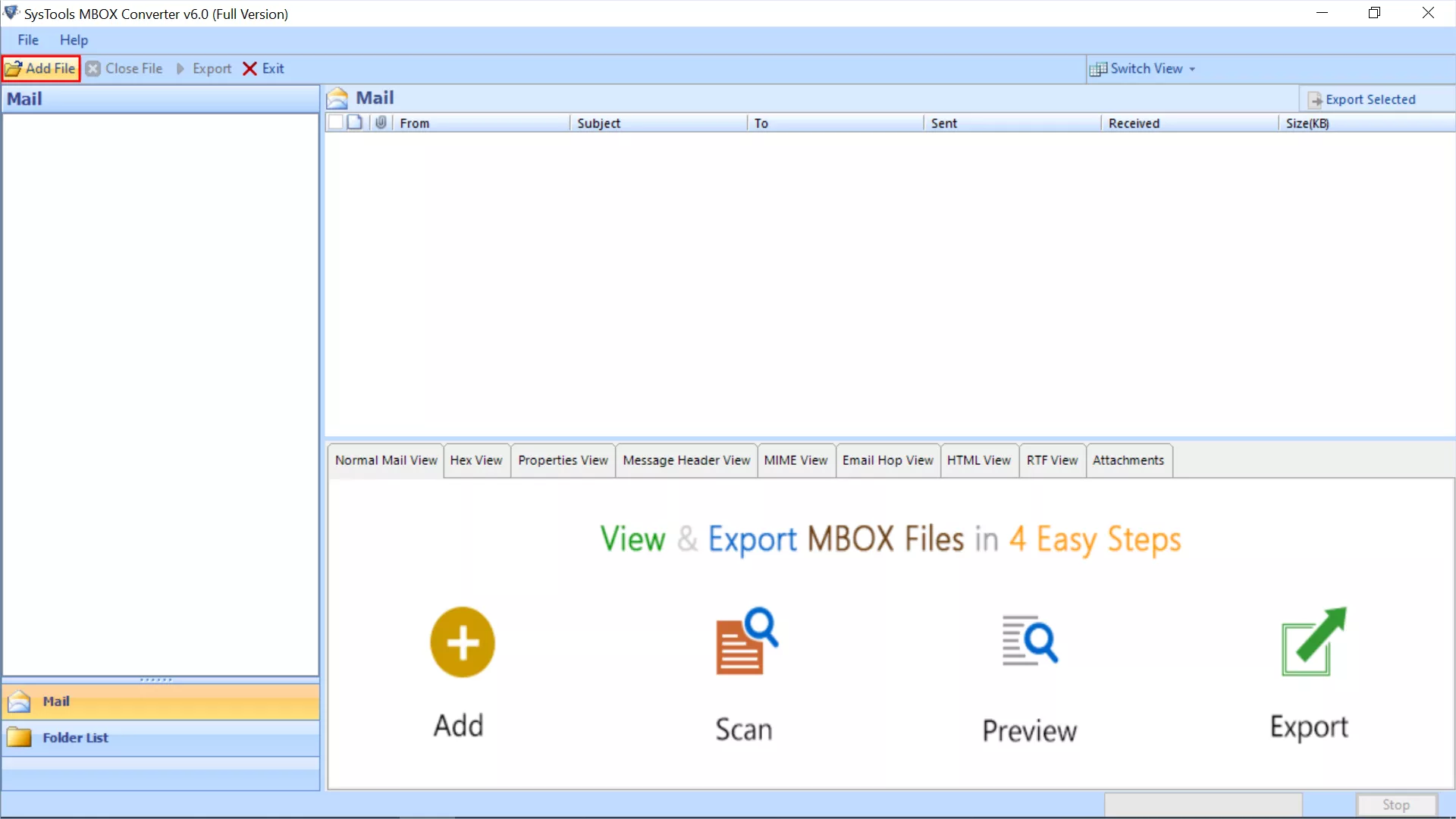
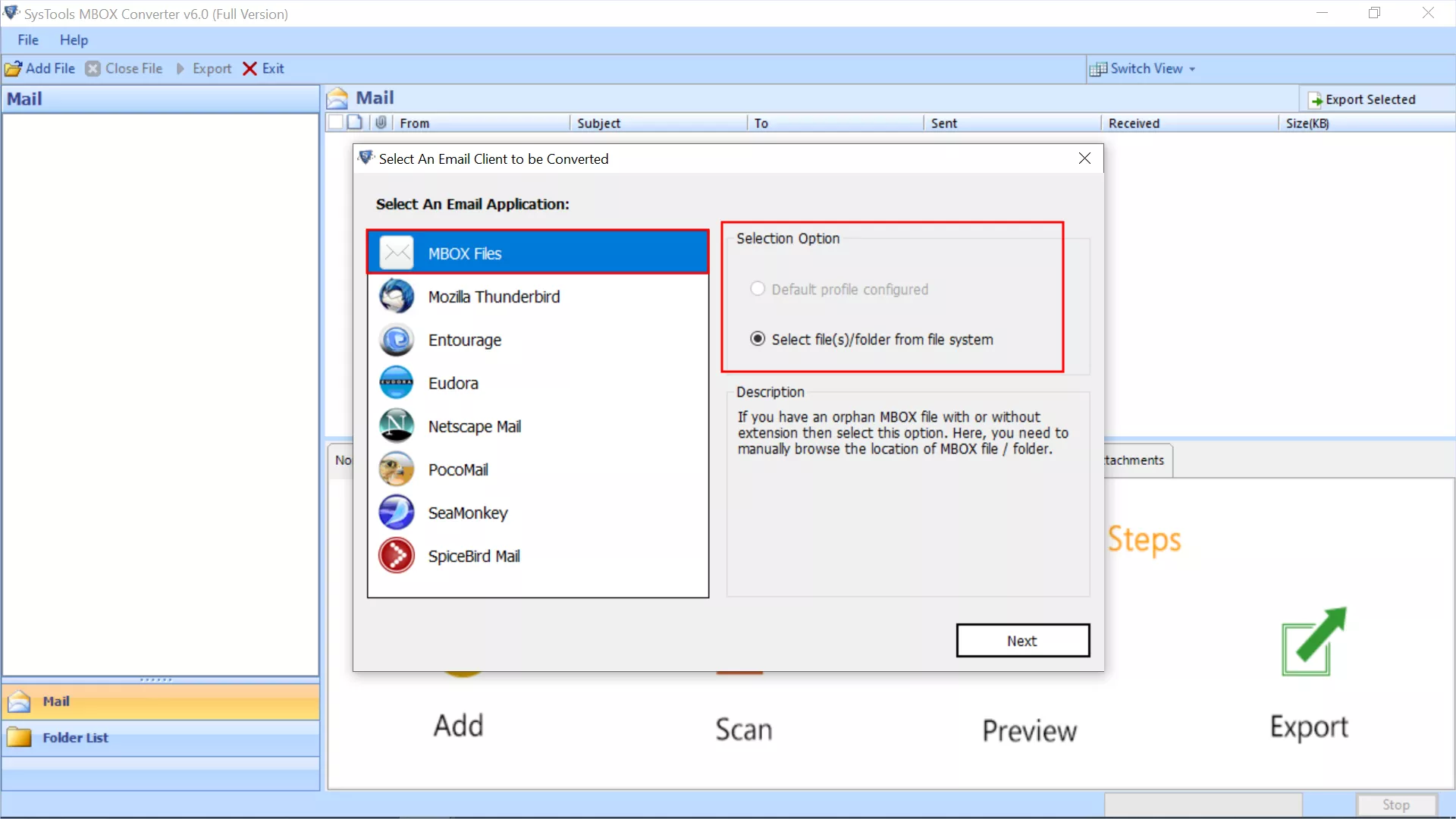
The MBOX converter supports all mail client MBOX file. Software UI lists all supported applications, user can choose one application at a time and add the database file into software panel. If user has .mbox (without extension MBOX file), .mbx, or .mbs file, then simply browse the file wothout selecting any email application.

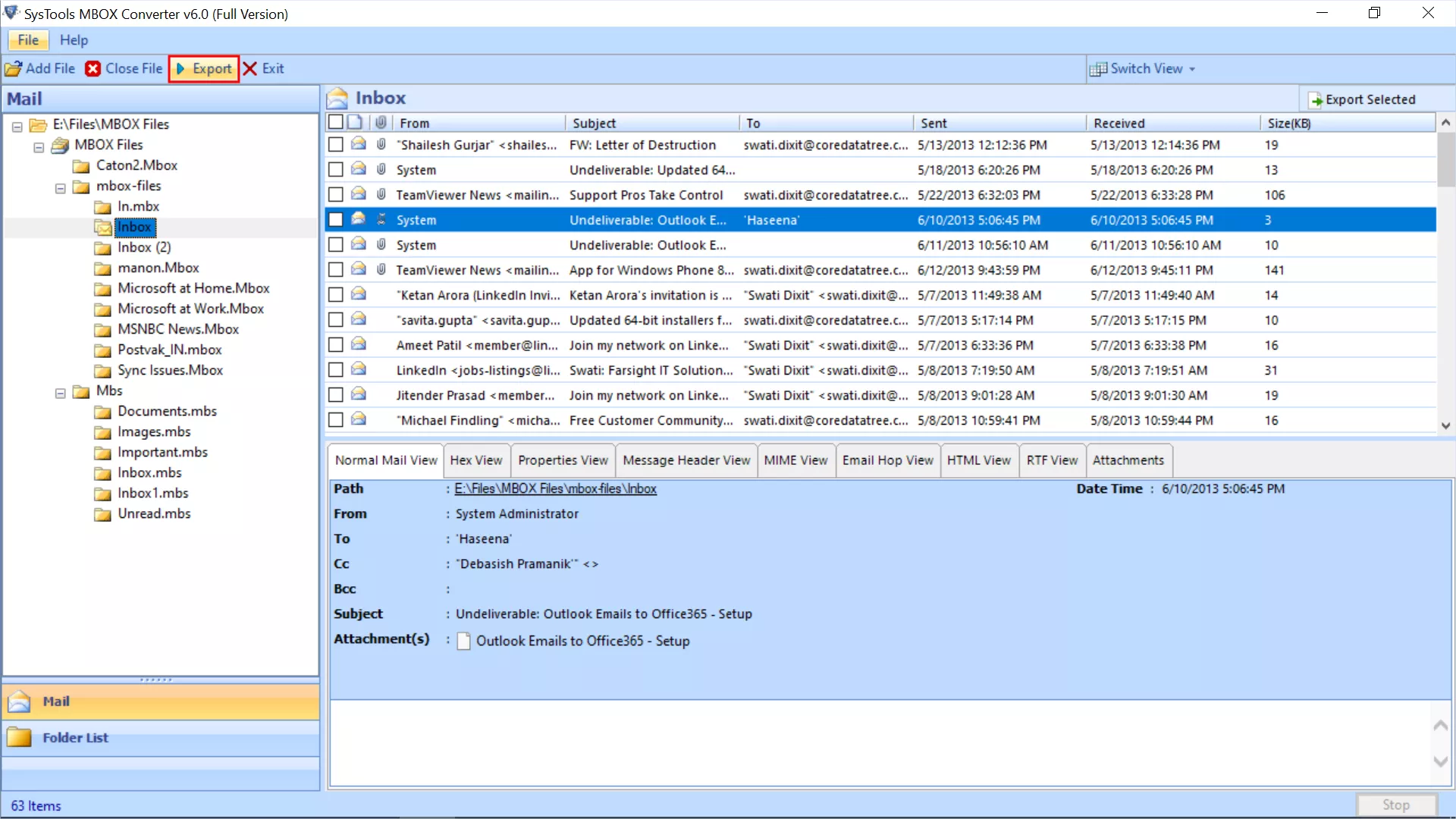
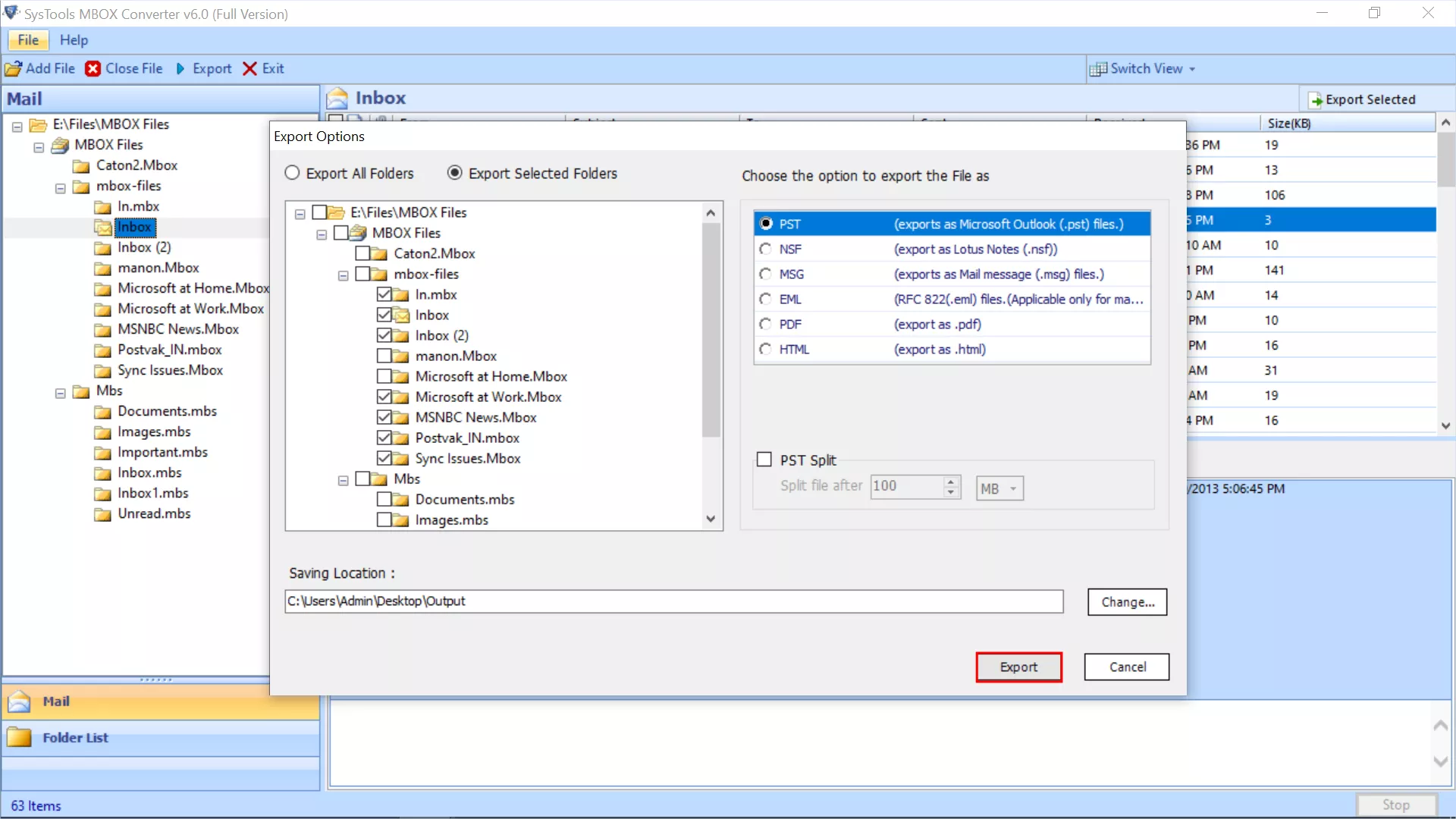
While designing this software, developer has ensured that the user can authenticate the data before starting the conversion process. For this, a preview function has been provided in this MBOX converter tool. With the help of this function, the user can view all the data in the software's UI. If the data is correct, the user can simply click on the Export button to start the MBOX conversion process.
The software provides 9 different view modes, which the user can utilize to analyze the MBOX file data in detail. At one time, the user can select a single mode to read the data.
Many Java games were ported from D-pad controls (non-touch) to touch screens poorly, resulting in unresponsive lag. The high-quality 240x320 touch versions were built natively for capacitive or resistive screens.
Talking Tom Cat Java game remains a nostalgic staple for classic mobile enthusiasts, especially for those using legacy touch-screen devices with a 240x320 resolution
Before the App Store and Google Play dominated the world, Java (J2ME) was the king of mobile entertainment. Among the most sought-after titles was the mobile port of Talking Tom, a game that defined the "digital pet" genre for a new generation. Why the 240x320 Touch Screen Version?
While the Java platform has faded, the demand for high-quality Talking Tom Cat games on persists among retro gamers, parents handing down old phones to children, and emulation enthusiasts. By hunting down extra quality builds—verified by community forums and careful file inspection—you can experience this iconic game as it was meant to be played: smooth, vivid, and instantly responsive to your touch.
: The "extra quality" 240x320 resolution ensures that Tom's animations are smooth and the colors are vibrant even on smaller screens. Google Play Technical Compatibility
public class TalkingTomGame extends ApplicationAdapter private SpriteBatch batch; private Texture tomTexture; private Vector2 tomPosition; private Sound tomTalkingSound; private Sound tomMeowingSound; private boolean isTalking = false;
Screenshots
Working Video
Many Java games were ported from D-pad controls (non-touch) to touch screens poorly, resulting in unresponsive lag. The high-quality 240x320 touch versions were built natively for capacitive or resistive screens.
Talking Tom Cat Java game remains a nostalgic staple for classic mobile enthusiasts, especially for those using legacy touch-screen devices with a 240x320 resolution Many Java games were ported from D-pad controls
Before the App Store and Google Play dominated the world, Java (J2ME) was the king of mobile entertainment. Among the most sought-after titles was the mobile port of Talking Tom, a game that defined the "digital pet" genre for a new generation. Why the 240x320 Touch Screen Version? Among the most sought-after titles was the mobile
While the Java platform has faded, the demand for high-quality Talking Tom Cat games on persists among retro gamers, parents handing down old phones to children, and emulation enthusiasts. By hunting down extra quality builds—verified by community forums and careful file inspection—you can experience this iconic game as it was meant to be played: smooth, vivid, and instantly responsive to your touch. By hunting down extra quality builds—verified by community
: The "extra quality" 240x320 resolution ensures that Tom's animations are smooth and the colors are vibrant even on smaller screens. Google Play Technical Compatibility
public class TalkingTomGame extends ApplicationAdapter private SpriteBatch batch; private Texture tomTexture; private Vector2 tomPosition; private Sound tomTalkingSound; private Sound tomMeowingSound; private boolean isTalking = false;
Trust