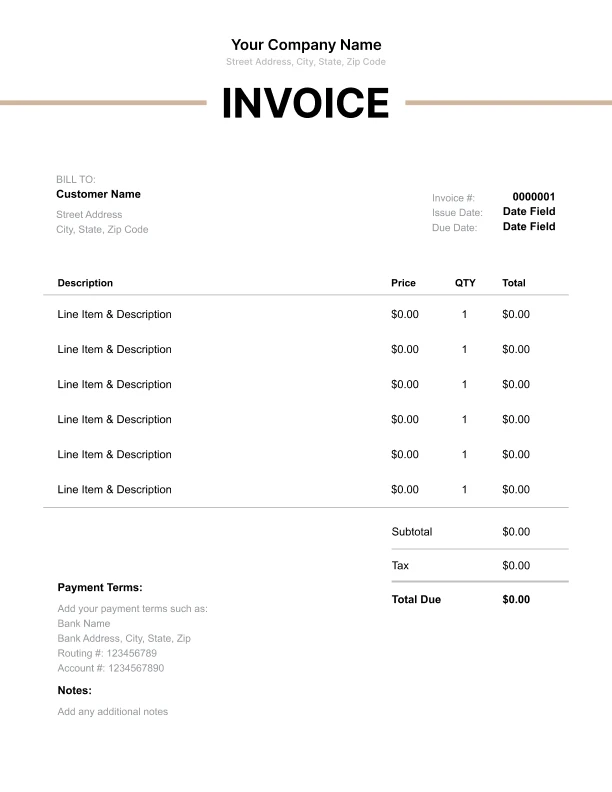
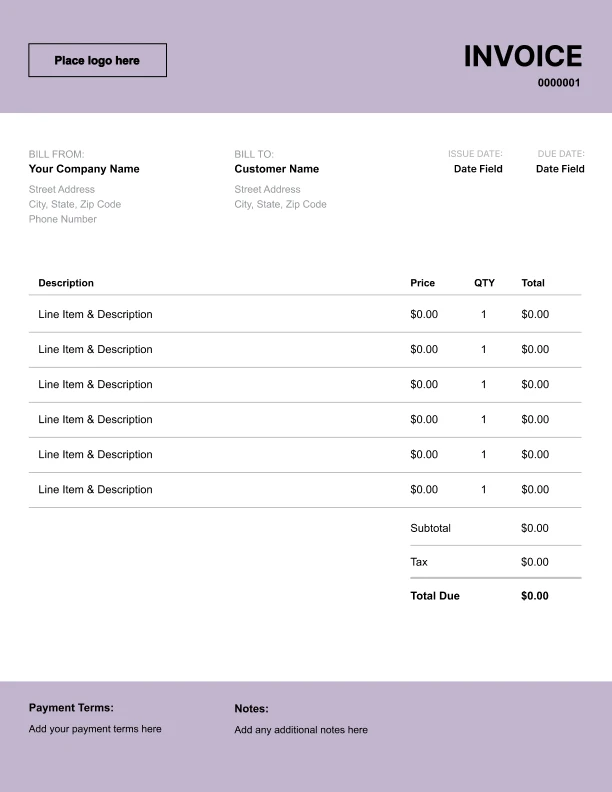
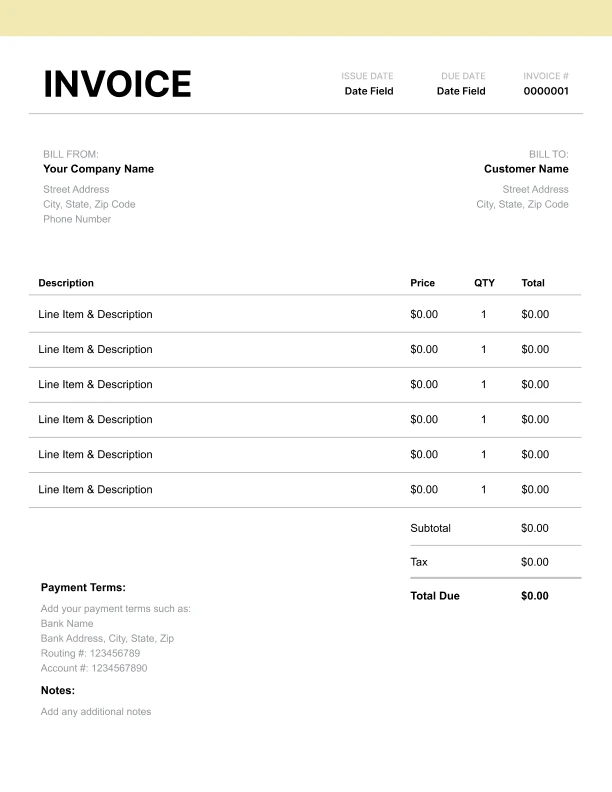
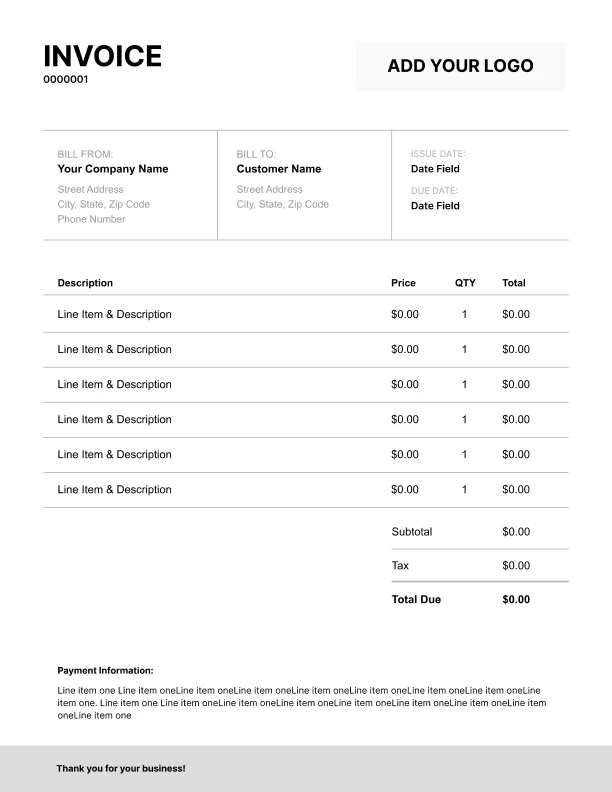
Free invoice templates for exporters built for product details, shipping charges, and insurance charges. Download and edit in PDF, Word, Excel, Google Docs, or Google Sheets.
Download a template, then edit in PDF, Word, Excel, Google Docs or Google Sheets. Print or email when ready.
How to label charges so every invoice makes sense the moment your clients see it.
India has a long history of animal protection, rooted in the principle of (non-violence).
Most people do not sit neatly in either camp. We are "emotional carnivores" who love our dogs but eat bacon. Navigating this dissonance requires a gradient approach.
(providing an appropriate environment and shelter).
Most of humanity eats meat, wears leather, and uses pharmaceuticals tested on rodents. Rather than demanding a radical lifestyle change (which often leads to public resistance), welfarists advocate for incremental improvements. They celebrate "cage-free," "free-range," and "Certified Humane" labels.
The tension between welfare and rights creates a complex ethical landscape. Many who care about animals find themselves straddling the line. For instance, a person might support animal welfare legislation banning cruel farming practices while still eating meat, viewing it as a responsible compromise. Conversely, animal rights proponents often criticize welfare campaigns for making the public feel comfortable with continued exploitation—a phenomenon sometimes called "humane-washing."
These slip-ups stall clearance and payment; use the quick fixes to keep shipments moving.
India has a long history of animal protection, rooted in the principle of (non-violence).
Most people do not sit neatly in either camp. We are "emotional carnivores" who love our dogs but eat bacon. Navigating this dissonance requires a gradient approach.
(providing an appropriate environment and shelter).
Most of humanity eats meat, wears leather, and uses pharmaceuticals tested on rodents. Rather than demanding a radical lifestyle change (which often leads to public resistance), welfarists advocate for incremental improvements. They celebrate "cage-free," "free-range," and "Certified Humane" labels.
The tension between welfare and rights creates a complex ethical landscape. Many who care about animals find themselves straddling the line. For instance, a person might support animal welfare legislation banning cruel farming practices while still eating meat, viewing it as a responsible compromise. Conversely, animal rights proponents often criticize welfare campaigns for making the public feel comfortable with continued exploitation—a phenomenon sometimes called "humane-washing."


Stream Daily © 2026